

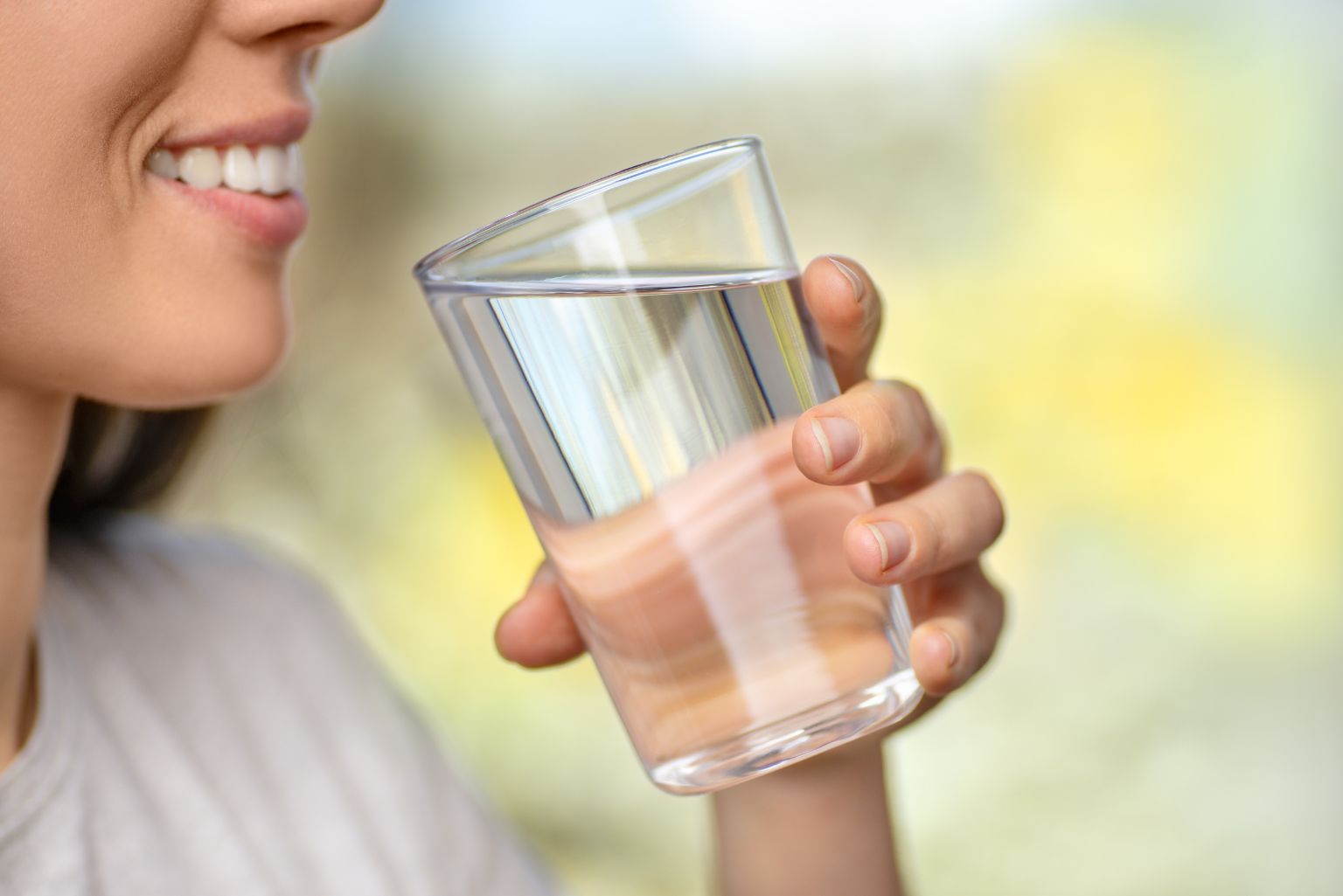
Drinking warm water is one of the most commonly recommended home remedies for constipation. Many people start their day with a glass of warm water believing it will “flush out toxins” and solve all digestive issues. But does warm water really cure constipation, or is it just one part of a much bigger picture?
Ayurveda offers a nuanced and practical explanation. While warm water can support digestion, relying on it alone may not address the root cause of constipation. Understanding the myths and facts behind this habit can help you restore natural bowel movement more effectively.
Constipation According to Ayurveda
In Ayurveda, constipation is primarily linked to an imbalance of Vata dosha, which governs movement, dryness, and elimination. When Vata is aggravated, the colon becomes dry, sluggish, and irregular. This leads to hard stools, incomplete evacuation, bloating, and discomfort.
Common causes of constipation in Ayurveda include:
- Irregular eating habits
- Skipping meals or eating late at night
- Excessive intake of dry, cold, or processed food
- Stress, anxiety, and overthinking
- Suppressing natural urges
- Weak digestive fire (Agni)
Warm water plays a role, but Ayurveda never treats constipation with a single remedy.
Myth 1: Warm Water Alone Can Cure Constipation
Myth: Drinking warm water every morning is enough to fix constipation.
Fact (Ayurvedic View):
Warm water helps stimulate digestion and soften stools, but it does not cure chronic constipation on its own. If constipation is caused by severe Vata imbalance, stress, poor diet, or toxin buildup (Ama), warm water offers only temporary relief.
Ayurveda emphasizes correcting digestion, lubricating the colon, calming the nervous system, and restoring daily routine.
Myth 2: Hotter the Water, Better the Results
Myth: Very hot water works better for bowel movement.
Fact:
Excessively hot water can weaken digestion over time, especially in people with Pitta dominance. Ayurveda recommends lukewarm or mildly warm water, not boiling-hot water.
Water should gently support Agni, not irritate it.
Myth 3: Warm Water Works the Same for Everyone
Myth: Warm water benefits all body types equally.
Fact:
Ayurveda is constitution-based. Warm water is most beneficial for Vata and Kapha types, but people with high Pitta may need moderation. For them, warm water should be balanced with cooling foods and stress management.
Ayurveda never follows a one-size-fits-all approach.
Myth 4: Constipation Means You Need More Water Only
Myth: Constipation happens because you don’t drink enough water.
Fact:
Hydration is important, but constipation is often a digestive and nervous system issue, not just dehydration. Many people drink enough water yet suffer from constipation due to:
- Weak digestion
- Stress-related gut slowdown
- Lack of healthy fats
- Poor eating timing
Ayurveda focuses on digestion quality, not just water quantity.
What Ayurveda Actually Says About Warm Water
According to Ayurveda, warm water:
- Stimulates digestive fire (Agni)
- Softens stool by reducing dryness in the colon
- Encourages downward movement (Apana Vayu)
- Helps flush mild toxins
However, it must be combined with proper diet, routine, and therapies for lasting relief.
When Warm Water Helps Constipation
Warm water is effective when:
- Constipation is mild or occasional
- Caused by dehydration or cold food intake
- Combined with early rising and regular meals
- Taken with mindful habits like walking or stretching
It works best as a supporting habit, not a primary treatment.
When Warm Water Is Not Enough
Warm water alone may not help if constipation is:
- Chronic or long-standing
- Accompanied by gas, bloating, anxiety
- Caused by stress, travel, or lifestyle imbalance
- Linked to hormonal or age-related digestive slowdown
In such cases, Ayurveda recommends deeper correction.
Ayurvedic Solutions Beyond Warm Water
1. Lubricating the Colon
Ayurveda emphasizes internal lubrication using:
- Ghee in small quantities
- Oil massage (Abhyanga)
- Herbal formulations that nourish the intestines
2. Strengthening Digestive Fire
A weak Agni leads to incomplete digestion and toxin buildup.
Helpful habits include:
- Eating warm, freshly cooked food
- Avoiding cold and dry meals
- Using digestive spices like cumin, fennel, and ginger
3. Calming the Nervous System
Stress directly slows bowel movement. Ayurveda treats constipation as a gut–mind disorder.
Helpful practices:
- Meditation and pranayama
- Fixed meal and sleep timings
- Reducing screen exposure at night
4. Panchakarma for Chronic Constipation
For long-term or severe constipation, Ayurveda recommends Panchakarma, especially Basti therapy. Basti directly balances Vata dosha and is considered the most effective treatment for chronic constipation.
Correct Way to Use Warm Water (Ayurvedic Tips)
- Drink 1 glass of lukewarm water after waking up
- Sip slowly, do not gulp
- Avoid adding lemon or honey daily unless advised
- Walk or stretch lightly afterward
- Combine with proper breakfast timing
Warm water works best when aligned with a disciplined daily routine.
Conclusion
Warm water is neither a myth nor a magic cure. From an Ayurvedic perspective, it is a supportive habit, not a standalone solution for constipation. Constipation is a sign of deeper imbalance involving digestion, lifestyle, stress, and Vata dosha.
Ayurveda teaches that lasting relief comes from correcting the root cause, restoring natural rhythms, and supporting the body holistically. When warm water is combined with proper diet, routine, stress management, and therapies, digestion becomes smooth and regular naturally.