

High blood pressure is no longer limited to age or genetics. Today, a growing number of people experience elevated blood pressure primarily due to stress, anxiety, irregular routines, and constant mental overload. This condition, often referred to as stress-induced hypertension, is closely linked to the nervous system. While conventional medicine focuses on symptom control, Ayurveda looks deeper at the root cause and offers natural ways to restore balance.
Through time-tested therapies and holistic care, Ayurveda helps calm the nervous system, detoxify the body, and regulate blood pressure naturally. For individuals looking for long-term solutions, panchakarma treatment and other Ayurvedic therapies offer a sustainable path to healing.
Understanding Stress-Induced High Blood Pressure
Stress triggers the release of hormones like cortisol and adrenaline, which increase heart rate and constrict blood vessels. Over time, this constant state of alertness keeps blood pressure elevated and strains the cardiovascular system.
From an Ayurvedic perspective, stress-induced high BP is primarily caused by an imbalance in Vata dosha, which governs the nervous system, along with aggravated Pitta dosha, which controls heat and circulation. Poor digestion, toxin buildup, lack of sleep, and emotional disturbances further worsen this imbalance.
Ayurvedic View of the Nervous System and BP
Ayurveda considers the mind and nervous system as central regulators of health. When the nervous system is overstimulated due to chronic stress, it disrupts digestion, sleep, and circulation. This leads to toxin accumulation, unstable blood pressure, and mental restlessness.
Rather than suppressing symptoms, ayurvedic therapy for hypertension works by calming nerve impulses, improving gut health, and restoring balance between mind and body.
Panchakarma: Core Ayurvedic Solution for Stress-Induced BP
One of the most effective approaches in Ayurveda for managing stress-related BP issues is panchakarma ayurvedic treatment. Panchakarma is a deep detoxification process that eliminates toxins, balances doshas, and strengthens the nervous system.
Key Panchakarma therapies that help regulate blood pressure include:
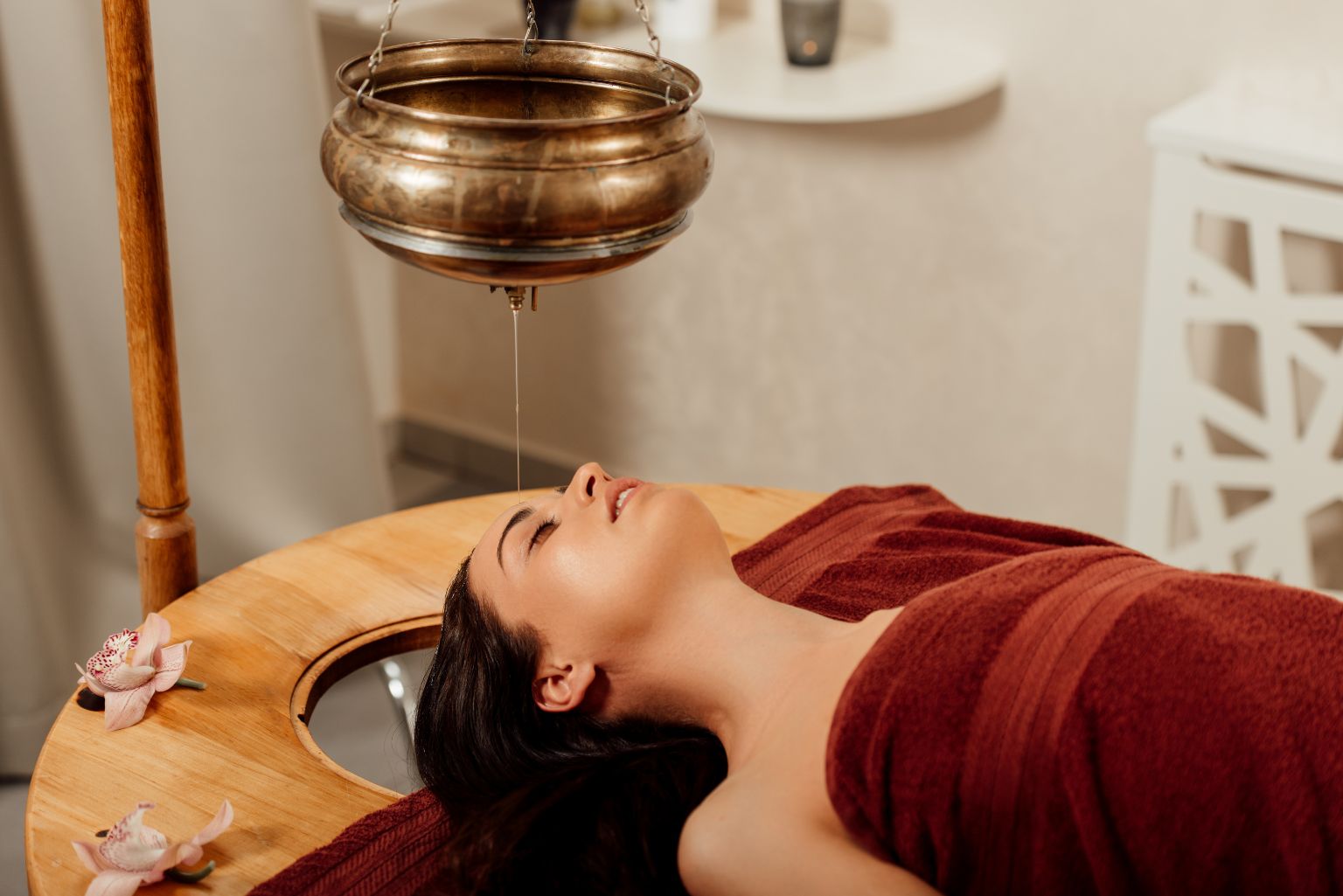
- Shirodhara, where warm medicated oil is poured on the forehead to calm the mind and nervous system
- Abhyanga, a full-body oil massage that relaxes muscles and reduces stress hormones
- Swedana, herbal steam therapy that releases physical and mental tension
- Nasya, nasal therapy that clears blocked channels in the head and improves nervous system function
These therapies together form a powerful ayurvedic treatment for detoxification, helping the body shift from a constant stress response into a state of relaxation and healing.
Watch: How Ayurveda Helps Calm Stress and BP Naturally
Here is a short video that explains how Ayurvedic therapies help manage stress-related blood pressure issues by calming the nervous system:
This video offers a quick look at how stress management and detox therapies play a role in controlling high blood pressure naturally.
Detoxification and the Gut–Nervous System Connection
Ayurveda strongly emphasizes the connection between digestion and mental health. Poor digestion leads to toxin buildup, which aggravates Vata and directly affects the nervous system. This is why ayurvedic treatment for detoxification plays a vital role in managing hypertension.
Panchakarma detox improves digestive fire, clears toxins from the gut, and stabilizes nerve signals. When digestion improves, the mind becomes calmer, sleep quality improves, and blood pressure starts to normalize naturally.
Herbs That Support Nervous System Balance
Ayurveda uses specific herbs to support mental calmness and cardiovascular balance:
- Ashwagandha to reduce cortisol and stress
- Brahmi to calm the mind and support nerve health
- Arjuna to strengthen heart function
- Jatamansi to ease anxiety and promote restful sleep
- Shankhpushpi for emotional balance
These herbs are often prescribed alongside panchkarma ayurvedic treatment to enhance long-term results.
Lifestyle Practices That Calm the Nervous System
Ayurveda emphasizes routine and mindful living as key tools for BP regulation. Simple changes can have a powerful impact:
- Consistent sleep and wake times
- Avoiding excessive screen time, especially at night
- Practicing pranayama and meditation daily
- Eating warm, freshly prepared meals
- Reducing caffeine, alcohol, and overly spicy foods
When combined with ayurvedic therapy for hypertension, these lifestyle practices help prevent BP spikes and emotional burnout.
When to Consider Panchakarma for High BP
If high blood pressure is accompanied by anxiety, sleep problems, digestive issues, or emotional stress, Panchakarma can be highly beneficial. Many individuals opt for panchakarma treatment as a preventive and restorative approach rather than relying solely on long-term medication.
Ayurvedic doctors design personalized programs based on your constitution, stress levels, and BP patterns to ensure safe and effective healing.
Conclusion
Stress-induced high blood pressure is not just a heart condition but a nervous system imbalance. Ayurveda addresses this at its root by calming the mind, detoxifying the body, and restoring natural rhythms. Through panchakarma ayurvedic treatment, targeted detoxification, and daily lifestyle correction, Ayurveda offers a gentle yet powerful way to regulate blood pressure naturally.
If stress is driving your BP levels up, it may be time to look beyond symptom control and explore Ayurvedic healing that supports both mental and physical balance.