


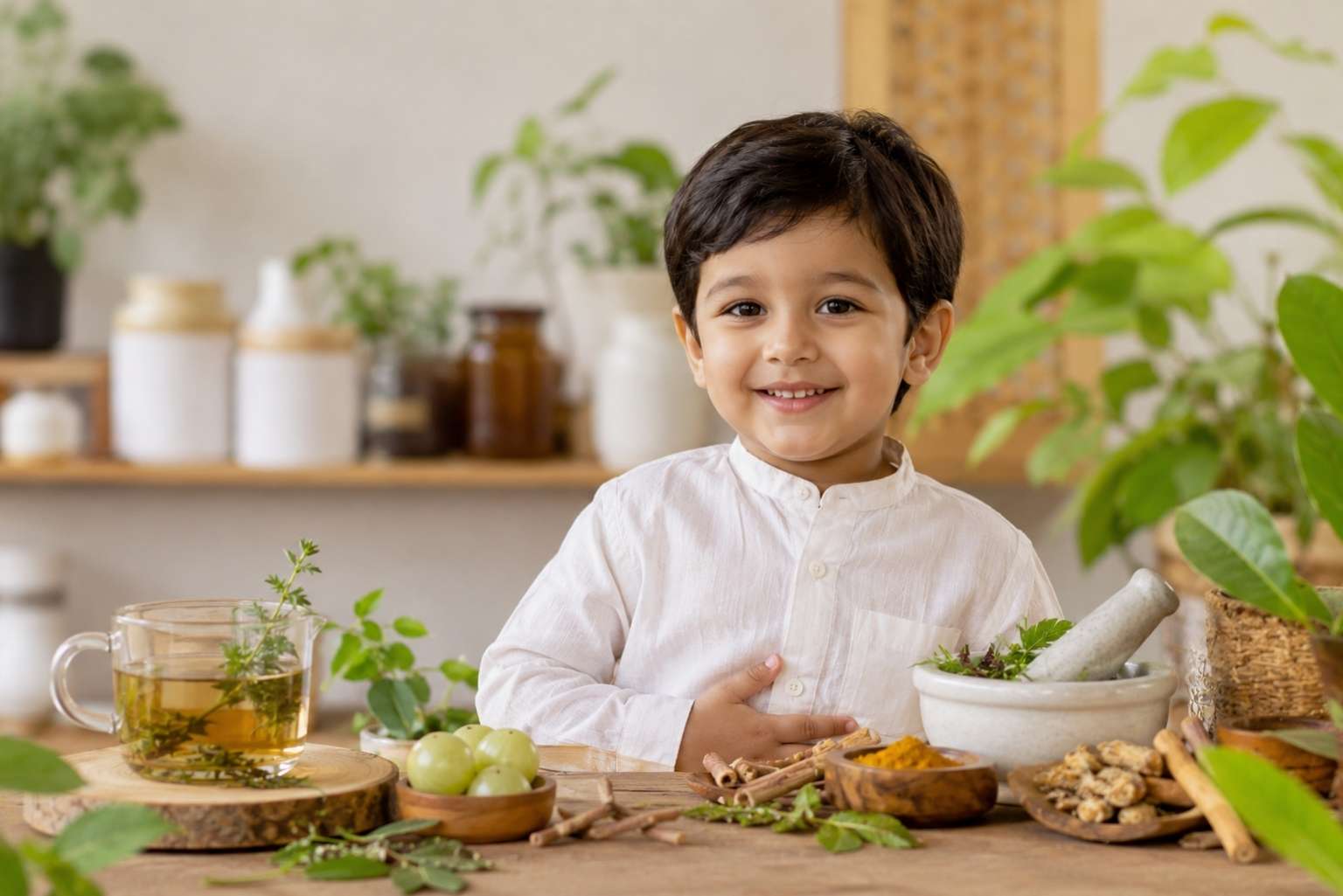
Children may experience common health concerns such as coughs and colds, constipation, bloating, reduced appetite, minor digestive discomfort, allergies, and recurring infections. While many of these concerns are temporary, parents often look for ways to support their child’s overall wellbeing through healthy food, routines, and lifestyle habits.
Ayurveda places importance on digestion as part of maintaining overall health. In simple terms, Ayurveda considers balanced digestion, appropriate nutrition, restful sleep, and a consistent daily routine important foundations for a child’s wellbeing. These principles can complement appropriate medical care.
What Are Common Childhood Health Problems?
Growing children can experience a range of everyday health concerns. Digestive issues may include constipation, bloating, indigestion, reduced appetite, or occasional stomach discomfort. Respiratory complaints such as coughs and colds are also common during childhood. Some children may experience allergies or recurring minor infections.
The appropriate response depends on the child’s age, symptoms, and overall health. Parents should avoid self-treating persistent or unexplained symptoms. Ayurveda for children should also be personalized and guided by a qualified healthcare professional when treatment is being considered.
Why Is Digestion Important for Children's Health?
In Ayurveda, digestion is often described through the concept of Agni, which refers to the body’s digestive capacity. Rather than thinking of Agni as a medical diagnosis, parents can understand it as an Ayurvedic way of discussing how the body processes food.
Healthy children’s digestive health involves more than simply choosing nutritious foods. Regular meal patterns, adequate fluids, physical activity, sufficient sleep, and a calm eating environment can all contribute to healthy digestion.
When children eat at irregular times, consume excessive processed foods, or have an inconsistent daily routine, their overall eating and digestion habits may become less balanced. Supporting simple, consistent habits can therefore be a practical part of Ayurvedic child care.
Ayurvedic Tips for Better Digestion in Children
Parents can focus on simple habits that support healthy digestion and overall wellness:
1. Encourage Regular Meal Timings
Try to maintain reasonably consistent breakfast, lunch, and dinner times. Regular routines can help children develop healthy eating habits.
2. Offer Balanced, Freshly Prepared Meals
Include a variety of age-appropriate foods, including vegetables, fruits, whole grains, and suitable sources of protein. Meals should be appropriate for the child’s individual nutritional needs.
3. Limit Highly Processed Foods
Foods high in added sugar, salt, or unhealthy fats are best kept limited. Encourage a varied diet rather than relying heavily on packaged snacks and sugary drinks.
4. Encourage Adequate Hydration
Children need sufficient fluids throughout the day. Water should generally be the main source of hydration.
5. Make Mealtimes Calm
Encourage children to eat without rushing and, when possible, away from screens. A relaxed mealtime environment can support positive eating habits.
6. Encourage Daily Movement
Age-appropriate physical activity and outdoor play can support general wellbeing and healthy routines.
Ayurvedic Lifestyle Tips to Support Immunity
There is no single food or therapy that guarantees strong immunity. A child’s immune health is influenced by nutrition, sleep, physical activity, hygiene, environment, and overall health.
Some practical Ayurvedic immunity tips can overlap with healthy lifestyle recommendations:
- Prioritize adequate sleep and a consistent sleep schedule.
- Provide a balanced diet with a variety of nutrient-rich foods.
- Encourage regular physical activity and outdoor play appropriate for the child’s age.
- Teach good hand hygiene and other everyday hygiene practices.
- Maintain a predictable daily routine that includes sufficient time for meals, activity, learning, and rest.
- Pay attention to emotional wellbeing. Children benefit from supportive family environments and appropriate opportunities to relax and communicate.
These habits work best as part of a consistent lifestyle rather than as quick solutions.
How Ayurveda 360 Can Support Children's Wellness?
Ayurveda 360 in Mumbai focuses on a holistic approach to Ayurvedic consultation and wellness. Children’s needs can vary considerably depending on age, constitution, nutrition, lifestyle, and health concerns. For this reason, Ayurvedic guidance should be individualized rather than based on a one-size-fits-all approach.
Parents interested in Ayurveda for children can discuss their child’s digestive health, daily routine, nutrition, and overall wellness goals with a qualified practitioner. Any treatment or dietary recommendations should be appropriate for the child’s individual needs.
Book a consultation with Ayurveda 360 to discuss your child’s individual health and wellness needs.
Frequently Asked Questions
Is Ayurveda safe for children?
Yes, with everyday lifestyle habits, balanced meals, routine, and hydration. Herbal remedies are different: use only under a qualified practitioner’s guidance.
At what age can Ayurvedic remedies be introduced for children?
There’s no fixed age. It depends on the child’s health and constitution, so always check with a practitioner first, especially for infants and toddlers.
Can Ayurveda help with recurring colds or low appetite in children?
It can support general wellbeing through routine, warm home-cooked food, and rest. But symptoms lasting more than a few days need a doctor’s evaluation.
Does Ayurveda replace vaccination or standard pediatric care?
No, It’s meant to work alongside standard medical care, not instead of it.